

April 13, 2026 | 4.5 Minute Read
Last week, I received a call from a local investor who owns more than 200 rental properties—someone I’ve known for nearly 15 years and consider one of the most experienced operators in our market.

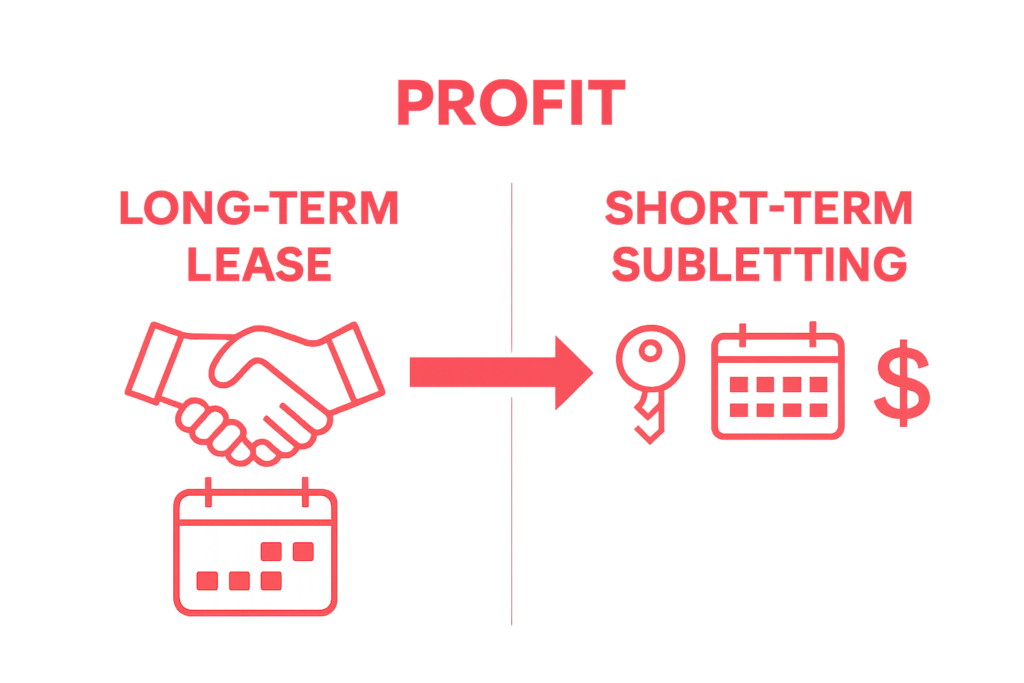
The reason for the call? Another investor wanted to lease one of his properties and convert it into a short-term rental on platforms like Airbnb and VRBO. He wanted to better understand the strategy and the possible risks to his property. It’s called rental arbitrage.
The rise of short-term rental platforms like Airbnb, VRBO, and Booking.com has created the rental arbitrage strategy. Unlike traditional real estate investing, rental arbitrage allows an operator to generate income from a property without owning it.
Instead of purchasing a property, an operator leases a home or apartment from a landlord and then re-rents it as a short-term rental. If managed correctly, the difference between the lease cost and the short-term rental income becomes profit.
While the concept sounds simple, rental arbitrage involves different incentives, benefits, and risks for both the property owner (lessor) and the operator (lessee). Understanding both sides is critical for investors considering this strategy.
How Does Rental Arbitrage Work?
- Leases a property long-term from a landlord
- Furnishes and stages the property
- Lists it on short-term rental platforms like Airbnb, VRBO, or Booking.com
- Keeps the profit after rent, cleaning, platform fees, and operating costs
For example:
| Item | Monthly Amount |
|---|---|
| Rent to landlord | $1,500 |
| Average Airbnb revenue | $4,000 |
| Operating Costs (25%) | $1,000 |
| Net profit | $1,500 |
The operator controls the property but does not own the real estate.
The Arbitrage Operator
1. Low Capital Entry 💰
Traditional real estate investing requires a down payment, closing costs, and renovations.
Rental arbitrage often only requires:
- First and last month’s rent
- Security deposit
- Furniture and setup
This means a property can often be launched for $5,000–$15,000 instead of $50,000+.
2. Ability to Scale Quickly 📈
Because no property purchase is required, operators can scale much faster.
Instead of saving for multiple down payments, an operator can:
- Lease multiple units
- Standardize furnishing
- replicate listings
Many arbitrage operators scale to 10–50 units within a few years.
3. No Long-Term Asset Risk
Unlike real estate owners, arbitrage operators are not exposed to:
- property value declines
- roof replacements
- structural repairs
- large capital expenditures
Their risk is limited primarily to the lease term.
4. Test Markets Quickly
Operators can experiment with markets before committing to property ownership.
For example:
- testing demand in small cities
- experimenting with mid-term rentals
- validating insurance relocation demand
Risks for the Arbitrage Operator
1. Lease Obligations During Slow Periods ⚠️
The operator must pay rent even if the property has zero bookings.
Common risks include:
- seasonality
- local regulations
- platform algorithm changes
- market oversupply
If revenue drops below rent, the operator must absorb the loss.
2. Platform Dependency
Most arbitrage businesses rely heavily on platforms like Airbnb.
Risks include:
- listing suspension
- policy changes
- review issues
- host account bans
A single platform issue can eliminate income overnight.
3. Furnishing and Setup Costs
Launching a property requires:
- beds and mattresses
- couches and decor
- kitchen equipment
- linens and supplies
Typical setup costs range from $6,000–$20,000 per property.
4. Landlord Permission Required
Running a short-term rental without landlord approval can lead to:
- lease termination
- eviction
- potential legal disputes
Professional arbitrage operators always obtain written permission.
The Property Owner
While many landlords initially reject arbitrage proposals, the model can actually benefit property owners in the right circumstances.
Advantages for the Property Owner
1. Guaranteed Rent Stability 🏠
The landlord receives consistent monthly rent regardless of occupancy.
Even if the operator has zero bookings, the landlord still gets paid.
This creates predictable cash flow similar to a corporate lease.
2. Professional Cleaning and Maintenance
Short-term rentals require frequent cleaning.
Most operators:
- schedule professional cleaners
- inspect the property weekly
- replace damaged items quickly
This can result in better maintenance than long-term tenants.
3. Reduced Tenant Wear and Tear
Guests typically stay only a few days.
They:
- rarely cook heavily
- do not accumulate belongings
- are less likely to cause long-term damage
Compared with traditional tenants, some landlords report less overall deterioration.
4. Potential Premium Rent
Many operators are willing to pay above-market rent to secure the property.
Example:
- Market rent: $1,000
- Arbitrage operator offers: $1,200
The landlord receives higher income with minimal effort.
Risks for the Property Owner
1. Regulatory Exposure ⚖️
Short-term rentals are heavily regulated in many cities.
If local governments restrict STRs, the landlord may face:
- fines
- licensing requirements
- forced shutdowns
- lenders rarely refinance a rental that is leased by a corporation
This risk varies widely by location.
2. Increased Guest Turnover
Although stays are short, the property may host hundreds of guests per year.
Potential issues include:
- noise complaints
- neighbor concerns
- parking conflicts
Poorly managed operators can damage community relationships.
3. Insurance Complications
Some homeowner insurance policies do not cover short-term rentals.
Owners may need:
- commercial policies
- short-term rental riders
- liability protection
Without proper coverage, the owner could be exposed to risk.
4. Reputation and Property Control
If the operator provides poor guest experiences, negative reviews can affect the property’s reputation.
This is especially important in:
- small communities
- HOA developments
- multi-family buildings
When Rental Arbitrage Works Best
Rental arbitrage tends to succeed in markets with:
✔ strong year-round demand
✔ business travel or insurance relocation demand
✔ reasonable rent relative to nightly rates
✔ limited short-term rental restrictions
It also works best when operators diversify booking sources beyond a single platform like Airbnb (e.g. VRBO.com and Booking.com).
For many investors, rental arbitrage serves as a cash-flow business rather than a long-term wealth strategy, since the operator does not build equity.
So, an investor that owns the property as a long term rental in my market of Birmingham, AL may average a monthly net of $250 after debt servicing and expenses. They receive the benefits of equity appreciation and tax benefits.
However, a rental arbitrage operator expenses are limited to the rent, utilities and lawn care. Using my example above, they could net $1,500 per month. That’s 6X more income without the expenses of ownership.
Again, I am using Birmingham, AL as the example so revenue and costs may differ in your market.
For operators, it offers a way to generate cash flow without owning property. For landlords, it can provide stable rent and professionally managed properties.
However, success requires a careful focus on:
- lease agreements
- local regulations
- insurance coverage
- property management quality
When structured correctly, rental arbitrage can be a mutually beneficial partnership between property owners and operators—but when done poorly, it can create significant financial and legal risk for both parties.