

April 13, 2026 | 4 Minute Read
Back on February 23rd, I wrote about an incident titled “When an Airbnb Guest Trashed One of Our Properties.”

The guest had originally booked the property through an insurance relocation company. These types of bookings are fairly common in the mid-term rental space. They typically occur when someone is displaced from their home due to an insured event such as a fire, flood, or major water damage.
In this case, the guest stayed in the property for approximately six and a half months.
Unfortunately, when the guest finally checked out, the condition of the property was far worse than expected. Much of the damage resulted from dogs repeatedly urinating throughout the house, which ultimately required extensive remediation and repairs.
You can see the condition of the property in the following photos.
Damage Photos:
https://photos.app.goo.gl/q9rz7Le8Y1hSDpK66
Repair Photos:
https://photos.app.goo.gl/f714fj1J86keQz1V6
After documenting the damage, I spent several days compiling a reimbursement claim through Airbnb’s AirCover for Hosts program.
The Damage Claim Submitted to Airbnb
Below is the itemized list of damages I submitted along with the costs to repair or replace the items.
- TV Remote – $8.43
- 10 Pillows – $34.40
- Blinds – $390.00
- Couch – $509.00
- Shower Curtains – $39.98
- Bed Foam Toppers (3) – $264.00
- Bed Protectors (3) – $67.32
- Queen Mattresses (2) – $509.98
- Towels (16) – $47.04
- Extensive Cleaning – $650.00
- Hardwood Floor Damage – $8,397.00
- Install Vinyl Floor – $4,048.00
- Weatherstripping – $75.00
- Broken Window – $250.00
- Kitchen Countertop – $1,050.00
- Wall Painting – $3,000.00
- Fence Damage – $210.00
.
Total Claim Submitted: $19,550.15
Given the extent of the damage, I expected the AirCover program to reimburse most of the documented expenses.
However, after several weeks of back-and-forth with an AirCover claims specialist, the reimbursement numbers looked very different.
What Airbnb Actually Paid
Here is what Airbnb ultimately approved:
- TV Remote – $8.43
- Pillows – $0.00 (not covered)
- Blinds – $250.00
- Couch – $180.00
- Shower Curtains – $25.99
- Bed Foam Toppers – $58.00
- Bed Protectors – $0.00 (not covered)
- Queen Mattresses – $209.00
- Towels – $0.00 (not covered)
- Cleaning – $0.00 (considered standard turnover cleaning)
- Hardwood Floor Damage – $3,000.00
- Install Vinyl Floor – $4,048.00
- Weatherstripping – $75.00
- Broken Window – $125.00
- Kitchen Countertop – $400.00
- Painting Walls – $3,000.00
- Fence Damage – $210.00
.
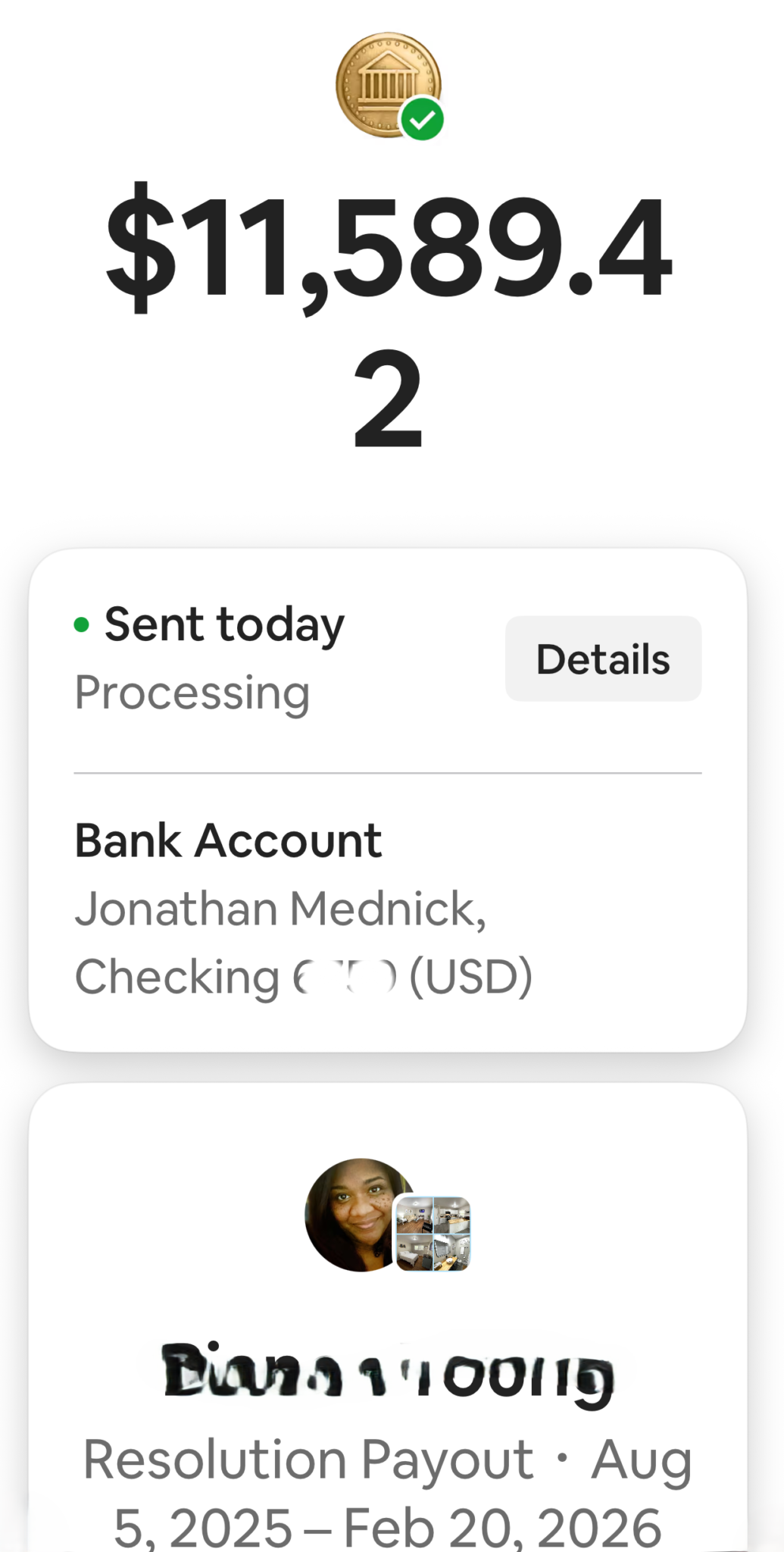
Total Reimbursement:

.
In other words, Airbnb reimbursed approximately 59% of the total repair costs.
Airbnb’s Explanation for the Reduced Payments
When I asked for clarification, the claims specialist explained that many items were reduced due to:
- Depreciation based on the age of items
- Items deemed repairable instead of replaceable
- Items not covered under AirCover policy
- Lack of original purchase receipts
- Cleaning classified as “standard turnover cleaning”
.
For example:
Flooring:
Airbnb applied depreciation because the listing is approximately two years old.
They did not take into account the labor required to remove the damaged hardwood areas, sanitize and encapsulate the floor from the dog urine.
Countertops:
They determined the damage could be repaired rather than fully refinished.
Couch:
Because I did not provide the original purchase receipt, they classified it as repairable and only reimbursed cleaning costs.
Cleaning:
Even though the property required nearly nine hours of cleaning by three housekeepers due to dog urine contamination, Airbnb classified the work as routine cleaning and declined reimbursement.
My Response to Airbnb
I challenged several of these determinations.
For example, the flooring repair involved much more than replacing boards. The remediation required:
- Removing contaminated hardwood flooring
- Treating and sanitizing the affected areas
- Sealing the subfloor to eliminate odor
- Installing replacement flooring
.
Similarly, the couch and mattresses had absorbed urine and odors to the point that they could not reasonably be sanitized. However, they deemed it repairable.
Although there were three primary areas of damage on the countertop, there was no possibility we could have repaired the isolated damage without stripping, sanding and re-staining the entire countertop.
Their policy clearly states reimbursement for additional cleaning. It took three of our housekeepers a total of 8 hours to perform a deep cleaning. However, after extensive photos and videos of the amount of filth left behind, Airbnb still determined it was a standard cleaning.
I also pointed out that Airbnb appeared to rely on internal cost estimates rather than the actual contractor invoices I provided documenting the repairs.
Despite providing photos, videos, receipts, and contractor documentation, Airbnb declined to make further adjustments.
Their final response stated that the payout aligned with their internal review standards and that AirCover is not an insurance policy but a discretionary protection program.
The message was clear: the decision was final.
The Hidden Cost: Lost Bookings
The financial impact didn’t stop with the repair costs.
Because the property required significant repairs, it was unavailable for five weeks.
That created another major loss.
This particular property is one of our most popular listings, and March is typically a strong booking month in our market. As a result, we effectively lost an entire month of revenue.
Unfortunately, Airbnb does not compensate hosts for lost bookings, even when a property becomes unavailable due to damage caused by one of their guests.
Back in Business
The good news is that the repairs are complete and the property is back online.
The listing is once again available for bookings:
http://www.airbnb.com/h/birminghamargonne
And we’ve already received our first new reservation for a week.
What I Actually Earned
Taking on this mid-term guest at the time of booking, I thought was a good decision. But, after the dust settles I am not so sure anymore.
Let’s take a look at how much we actually netted as a result of this booking.
Payout:
- $29,308.16 paid from Airbnb
- $11,589.42 reimbursement
- $40,897.58
Losses:
- -$19,550.15 total damages
- -$4,000 est. loss booking revenue
- $23,550.15
Total Net Profit:
$17,347.43
$2,891.23 (monthly)
Still, a good deal? Yes and no.
Yes because we still made a decent profit. No, it was not worth the headaches and damages caused to the property.
Lessons Learned
Every experience like this reinforces several important lessons about operating short-term rentals.
First, AirCover should not be viewed as full insurance coverage. While it can help offset losses, hosts should expect that reimbursements may fall well short of the actual repair costs. In this case, we recovered 59% of our costs.
Second, documentation is critical. Photos, videos, receipts, and contractor invoices are essential when submitting claims. Even then, reimbursement decisions may rely on internal estimates and depreciation schedules. This was unfortunate even with the amount of evidence provided.
Third, cash reserves are essential when operating short-term rentals. Damage claims can take weeks to resolve, and repairs may require significant out-of-pocket expenses before reimbursement is received. Fortunately, we have 8 other short term rentals to carry us through and used net profits to cover our losses resulting in a weaker than expected Q1 2026.
Finally, incidents like this reinforce an important reality: short-term rentals can produce excellent income, but they are still a hospitality business with operational risks.
The key is to manage those risks, keep properties in good condition, and continue moving forward.
Because in this business, the goal isn’t to avoid every problem — it’s to handle challenges as they occur and keep the properties cash flowing.