
March 2, 2026 | 4 Minute Read
The housing market isn’t moving in one direction right now — and that’s exactly where the opportunity is.
At the national level, the data clearly favors buyers. Inventory has expanded significantly, with roughly 44% more sellers than buyers.
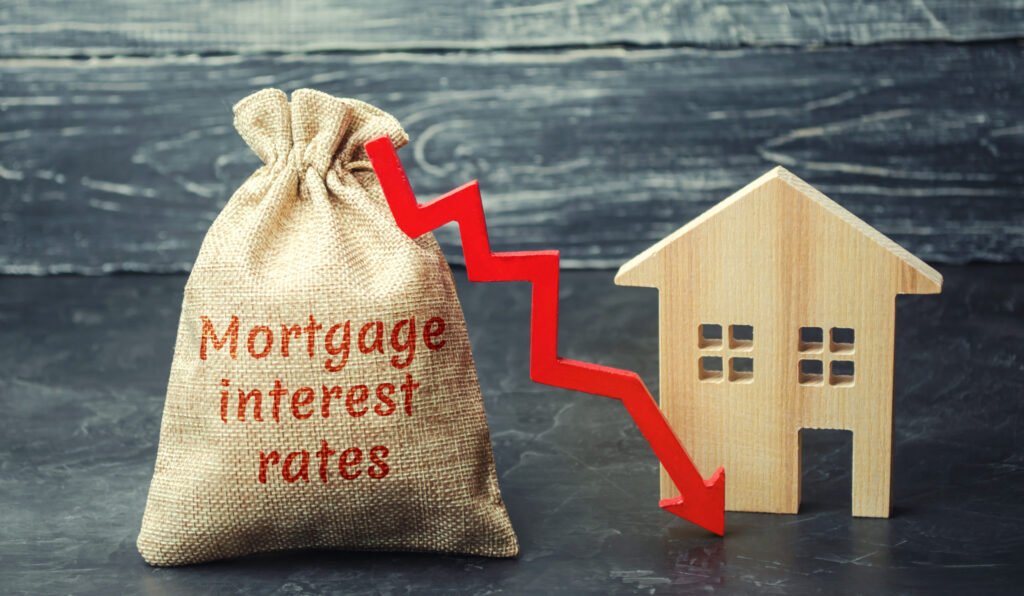
That imbalance shifts negotiating power toward those ready to act. Add to that the fact that mortgage rates have dropped below 6% — the most favorable financing environment investors have seen in over three years — and buying power has materially increased.
In simple terms: leverage is improving.
Lower rates below 6% mean:
• Lower monthly payments
• Stronger cash flow potential
• Higher allowable purchase prices without increasing risk
• Improved debt service coverage ratios
• More refinance flexibility down the road
For investors, this is a rare alignment. You have expanding inventory, softening competition, and financing costs that finally make deals pencil again.
Nationally, this is a buyer’s market — and disciplined investors thrive in buyer’s markets.
But real estate is hyper-local.
In the Northeast, heading into the spring season, inventory remains tight and demand is concentrated. In those markets, sellers still hold leverage. Pricing is firmer. Competition is stronger. Concessions are harder to negotiate.
So which narrative is correct?
Both are.
The market is fragmented. And fragmented markets reward strategy.
For investors, this means positioning matters more than ever:
In oversupplied markets:
• Negotiate aggressively
• Target motivated sellers
• Secure rate buy-downs or concessions
• Lock in sub-6% debt while competition is muted
In tighter markets:
• Focus on value-add opportunities
• Target off-market deals
• Look for tired landlords or repositioning plays
• Lean on long-term appreciation and rental demand
The key takeaway is this: falling rates below 6% are the catalyst.
Lower borrowing costs expand buying power and revive investor activity. When combined with growing inventory nationally, this creates one of the strongest acquisition windows we’ve seen since early 2022.
Markets don’t move in a straight line — and they don’t move uniformly across regions.
The investors who win in this environment won’t rely on headlines. They’ll analyze local supply and demand, lock in attractive financing, and move decisively where the numbers make sense.
This isn’t a one-story market.
It’s a two-speed market.
And for strategic investors, that’s not confusion — that’s opportunity.
Now layer in what just happened with rates — and the opportunity becomes even clearer.
The daily average 30-year fixed mortgage rate has been 5.995% over the past four days (two days at 6.00% and two at 5.99%). According to Mortgage News Daily, that’s the lowest weekly average in more than three years.
Here’s what matters for investors:
• Freddie Mac confirms it: The weekly 30-year rate dipped to 5.98%, marking the first sustained move back into the 5% range since fall 2022.
• There’s no practical difference between 5.99% and 6.00%: Mortgage News Daily reports that more than 95% of borrowers would receive the same quote either way. The headline isn’t the decimal point — it’s the stability around 6%.
• This wasn’t a one-day anomaly: Four consecutive days averaging 5.995% is a materially stronger signal than a temporary dip. Markets are stabilizing, not just spiking.
• Bond market volatility helped: A Supreme Court decision striking down emergency tariff powers triggered a flight to safety, lowering Treasury yields and pulling mortgage rates down with them.
• Buying power has materially improved: Median-income households have gained roughly $30,000 in purchasing power over the past year. That is real leverage.
• This could unlock inventory: With roughly 70% of mortgage holders locked below 5%, sustained sub-6% rates may finally encourage sidelined sellers to reenter the market — expanding deal flow.
What This Means for Investors
Let’s move past headlines and focus on strategy.
Breaking back into the 5% range — even marginally — is psychologically significant. Markets are driven as much by confidence as by math. When buyers see a “5” in front of the rate again, demand reactivates.
For investors, that creates a window with three powerful tailwinds:
1. Stronger Cash Flow Math
At sub-6% rates, deals that didn’t pencil at 6.75% or 7% start working again.
Lower debt service improves DSCR ratios and increases refinance viability.
2. Appreciation Tailwind
If rates stay stable or move slightly lower, sidelined demand reenters. Increased demand supports pricing — especially in constrained markets like parts of the Northeast.
3. Exit Liquidity Improves
More owner-occupant demand means stronger resale markets. That matters whether you’re flipping, repositioning, or planning a 3–5 year hold.
A Strategic Reality Check
Affordability is not “fixed.” Prices have not reset in a major way. And this week’s rate drop was driven more by bond market volatility than improving long-term economic fundamentals.
In other words: this is encouraging — but not yet a confirmed downward rate trend.
However, investors don’t wait for perfect clarity.
They act when probabilities shift in their favor.
Right now we have:
Expanded inventory nationally
Stabilizing sub-6% rates
$30,000 in additional buying power for median earners
Potential inventory unlock from rate-locked sellers
Fragmented regional markets that reward precision
That combination hasn’t existed in more than three years.
My Take for Investors
This is the best financing environment we’ve seen since early 2022. Psychology is improving. Payments are moving in the right direction. Inventory may expand further if rate stability holds.
The investors who win in this cycle won’t wait for headlines to confirm a “recovery.” They’ll:
Re-underwrite their pipelines at 5.99%
Revisit deals that previously missed cash flow targets
Circle back to motivated sellers
Lock in long-term fixed debt while it’s available
Encouraging? Absolutely.
Guaranteed trend reversal? Not yet.
But when financing improves and supply remains elevated, the advantage shifts to those willing to lean in.
This isn’t the bottom of the market.
It’s the beginning of regained leverage.