
June 8, 2026 | 4.5 Minute Read
Since 2002, I have flipped thousands of houses. Most have generated solid profits, some have broken even, and a few have resulted in losses—especially during the 2008 market crash, when I lost everything. Over the years, however, I have become highly skilled at accurately estimating potential profits before purchasing a property.
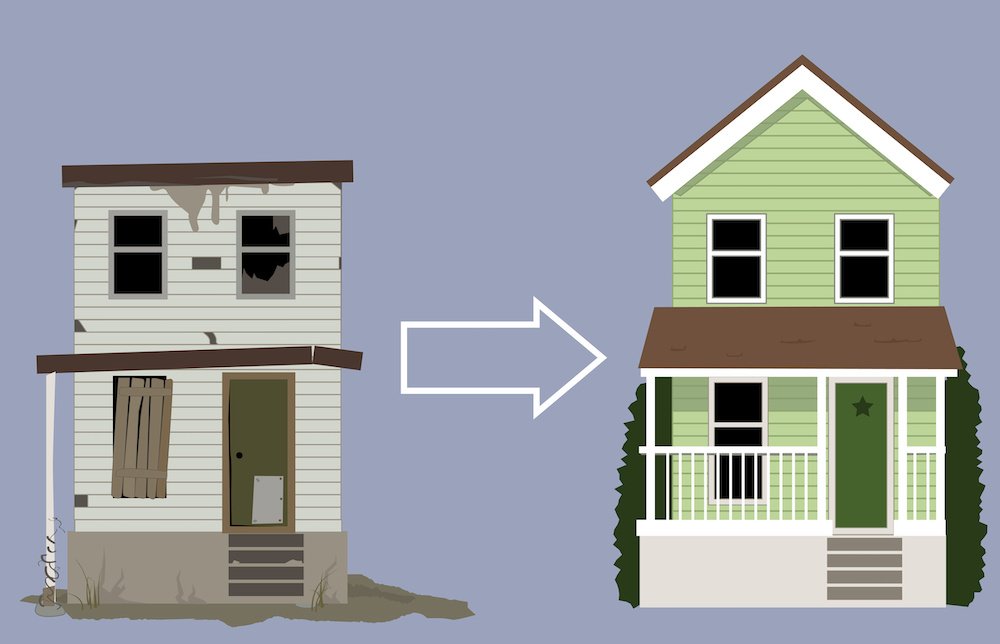
Today, I pass on most deals because the numbers simply do not work, regardless of what a realtor or wholesalers claims. While more aggressive investors may chase those opportunities, I prefer a conservative approach. After more than 20 years of flipping houses, that discipline has consistently served me well and kept me out of trouble.
Many new real estate investors assume that profit is determined by only three numbers: the purchase price, renovation costs, and resale price.
In reality, dozens of variables affect how much money you ultimately keep from a flip. Two investors can buy nearly identical properties, sell them for the same price, and end up with dramatically different profits because of decisions made throughout the project.
Understanding every profit factor allows you to analyze deals more accurately, avoid surprises, and maximize returns.
1. Purchase Price
The purchase price is the foundation of every profitable flip.
The lower your acquisition cost, the greater your potential profit margin. Investors who consistently find off-market deals, distressed sellers, pre-foreclosures, probate properties, and absentee owners often outperform investors who rely solely on MLS listings.
Every dollar saved on the purchase price is usually a dollar added directly to profit.
2. Closing Costs at Purchase
Many investors underestimate acquisition costs.
These may include:
- Title insurance
- Attorney fees
- Recording fees
- Transfer taxes
- Survey costs
- Inspection fees
- Loan origination fees
.
These expenses reduce profit before renovations even begin.
3. Financing Costs
The source of your funding can significantly impact profitability.
Financing expenses may include:
- Interest payments
- Points
- Loan origination fees
- Underwriting fees
- Extension fees
- Draw fees
.
Investors using high-interest hard money loans often face substantial carrying costs that eat into profits.
4. Renovation Budget
Rehab costs are one of the largest profit variables.
Expenses may include:
- Labor
- Materials
- Permits
- Dumpster rentals
- Landscaping
- Roofing
- HVAC systems
- Plumbing
- Electrical work
- Flooring
- Paint
.
Even minor budget overruns can dramatically reduce returns.
5. Scope Creep
Scope creep occurs when investors continuously add upgrades that were not part of the original plan.
Examples include:
- Upgrading countertops unnecessarily
- Installing luxury finishes in entry-level neighborhoods
- Expanding renovation projects after construction begins
.
While some improvements increase value, many simply increase costs without increasing resale price.
6. Contractor Performance
The quality and reliability of contractors directly affect profit.
Poor contractors can cause:
- Cost overruns
- Delays
- Failed inspections
- Rework expenses
- Inspection issues on resale
.
Reliable contractors help maintain budgets and timelines.
7. Holding Time
Time is one of the most overlooked profit killers.
The longer you own a property, the more expenses accumulate.
These costs often include:
- Loan payments
- Property taxes
- Insurance
- Utilities
- Lawn maintenance
- HOA fees
.
A project that lasts twelve months instead of six months can substantially reduce profits.
8. Property Taxes
Property taxes continue whether the property is occupied or vacant.
In some markets, reassessments can increase taxes after purchase, creating unexpected expenses.
9. Insurance Costs
Vacant property insurance often costs more than standard homeowner policies.
Depending on the project, investors may need:
- Builder’s risk insurance
- Vacant property insurance
- Liability coverage
- Umbrella policies
.
Insurance costs directly impact net profit.
10. Utility Expenses
Even vacant properties generate expenses.
Typical costs include:
- Electricity
- Water
- Sewer
- Gas
- Internet security systems
.
Longer holding periods increase utility expenses.
11. Permit Costs
Some projects require multiple permits and inspections.
Permit fees vary widely by municipality and can add thousands of dollars to a renovation budget.
Failing to obtain permits can lead to fines, delays, and reduced buyer confidence.
12. Latent Defects
Virtually every flip uncovers surprises.
Common discoveries include:
- Foundation problems
- Mold
- Termite damage
- Sewer issues
- Structural defects
- Hidden water damage
.
Successful investors build contingency funds into every project.
13. Market Appreciation
Rising markets can significantly boost profits.
If property values increase during the renovation period, investors may earn additional profits without making any extra improvements.
Think 2020 when mortgage rates dropped significantly creating huge buyer demand with little available inventory.
14. Market Declines
The opposite is also true.
Falling markets can quickly erase projected profits.
A declining market may force price reductions and longer holding periods.
Remember 2008?
15. Neighborhood Demand
Buyer demand varies by neighborhood.
Properties located near:
- Good schools
- Employment centers
- Transportation
- Shopping
- Entertainment
.
These often sell faster and at higher prices.
16. Comparable Sales
The accuracy of your after-repair value (ARV) estimate depends on comparable sales.
Overestimating ARV is one of the most common mistakes made by house flippers.
A small valuation error can destroy expected profits.
17. Buyer Financing Conditions
A buyer’s financing affects profitability.
Seller concessions, appraisal issues, loan denials, and financing delays can create additional carrying costs and force price reductions.
Cash buyers often provide more certainty and faster closings.
18. Real Estate Agent Commissions
Agent commissions remain one of the largest selling expenses.
Depending on your market and listing strategy, commissions can significantly reduce net proceeds.
19. Seller Closing Costs
Many investors forget to budget for selling expenses.
These may include:
- Title fees
- Attorney fees
- Recording charges
- Transfer taxes
- Escrow fees
.
Every transaction cost reduces profit.
20. Staging Costs
Professionally staged homes often sell faster and for higher prices.
However, staging expenses must be weighed against the potential increase in sale price.
21. Marketing Expenses
Selling a flip may involve:
- Professional photography
- Drone photography
- Virtual tours
- Online advertising
- Print marketing
.
These costs should be included in your profit calculations.
22. Seasonal Market Conditions
Seasonality affects both buyer demand and pricing.
Many markets experience stronger activity during spring and summer than during winter months.
Timing can influence both holding costs and sales price.
23. Property Condition at Sale
The final presentation matters.
Homes that show well generally:
- Receive more offers
- Sell faster
- Require fewer concessions
.
Minor issues discovered during buyer inspections can lead to repair requests and price reductions.
24. Negotiation Skills
Profit is often determined at the negotiating table.
Strong negotiators can:
- Acquire properties below market value
- Reduce contractor costs
- Minimize repair concessions
- Maximize resale pricing
.
Poor negotiation can cost thousands of dollars on every deal.
25. Capital Gains and Taxes
Taxes can significantly affect the amount of profit you actually keep.
Depending on your ownership structure and holding period, profits may be subject to:
- Ordinary income tax
- Self-employment tax
- State income tax
- Capital gains tax
.
Consulting a qualified tax professional can help maximize after-tax returns.
26. Experience and Systems
Perhaps the biggest profit factor is investor experience.
Experienced flippers generally:
- Estimate repairs more accurately
- Avoid bad neighborhoods
- Select better contractors
- Manage timelines effectively
- Price properties correctly
.
Strong systems and processes often separate highly profitable investors from those who struggle.
House flipping profits are influenced by far more than purchase price and resale value. Every stage of the project—from acquisition and financing to renovations, marketing, and final sale—affects the amount of money you ultimately keep.
The most successful investors focus on controlling every variable possible while building contingency plans for the variables they cannot control. By understanding each profit factor, you can analyze deals more accurately, avoid costly mistakes, and consistently increase your returns.